Spinning Rods for Freshwater and Saltwater Fishing
Types of Spinning Rods
Different spinning rods are designed for specific lure weights, fish species and fishing environments. Choosing the correct type helps create a more balanced rod-and-reel setup.
Ultralight Spinning Rods
An ultralight spinning rod is designed for small lures, light line and species such as trout, crappie, perch and panfish. These rods provide excellent sensitivity and make smaller fish more enjoyable to catch.
Medium-Light Spinning Rods
A medium light spinning rod offers more backbone than an ultralight model while retaining enough sensitivity for finesse bass fishing, walleye jigging and light inshore presentations.
Bass Spinning Rods
Bass spinning rods are commonly used for drop-shot rigs, shaky heads, Ned rigs, small jerkbaits and other finesse techniques. Medium-light and medium-power rods are popular choices.
Trout Spinning Rods
A trout spinning rod usually features light or ultralight power for casting small spinners, spoons, jigs and natural bait. Anglers searching for spinning rods for trout fishing should also consider water size and expected fish weight.
Inshore Spinning Rods
Inshore spinning rods are made for coastal species such as redfish, snook, striped bass and sea trout. They generally use stronger blanks and corrosion-resistant guides.
Saltwater Spinning Rods
Saltwater spinning rods are designed for harsher environments and larger fish. Look for durable reel seats, corrosion-resistant components and suitable line and lure ratings.
Spinning Rods for Beginners
Spinning rods for beginners should be easy to cast, versatile and comfortable to hold. A rod between 6 and 7 feet with medium power and moderate-fast or fast action works well for many general freshwater situations.
Beginners should avoid choosing a rod based only on appearance. The best starting option should match the reel size, line strength and lure weight they plan to use.
Understanding Spinning Rod Power and Action
Rod power describes the pressure needed to bend the blank, while rod action describes where the bend begins.
- Ultralight: Small trout, crappie and panfish
- Light: Trout and finesse presentations
- Medium-light: Walleye, perch and finesse bass fishing
- Medium: General freshwater fishing
- Medium-heavy: Bass, pike and inshore species
- Heavy: Large lures and powerful fish
Fast-action spinning rods provide sensitivity and quick hook-setting response. Moderate-action rods offer more forgiveness for crankbaits and other treble-hooked lures.
Choose a Spinning Fishing Rod by Species
The best spinning rod depends on the fish you target and the lures you use.
- Trout and panfish: Ultralight or light power
- Walleye: Medium-light or medium power
- Bass: Medium-light, medium or medium-heavy power
- Pike: Medium-heavy or heavy power
- Inshore species: Medium or medium-heavy saltwater rod
Freshwater and Saltwater Spinning Rods
Freshwater spinning fishing rods are available for everything from tiny streams to large lakes and reservoirs. Saltwater models require stronger construction and improved resistance to corrosion.
Do not assume every freshwater rod is suitable for coastal use. Confirm the guide material, reel seat construction and manufacturer recommendations before exposing it to saltwater.
Travel Spinning Rod Options
A travel spinning rod uses a multi-piece or telescopic design that fits more easily into luggage, vehicles and backpacks. A good travel rod should assemble securely without excessive movement at the joints.
How to Choose the Best Spinning Rod
The best spinning rods provide the right balance of sensitivity, strength, casting control and comfort for the intended technique.
- Choose the target species.
- Check the rod length.
- Compare power and action.
- Confirm lure-weight limits.
- Check the recommended line rating.
- Match the rod with a suitable spinning reel.
- Confirm freshwater or saltwater suitability.
- Consider one-piece, multi-piece or travel construction.
Browse our spinning reels, compare complete spinning combos, or explore useful fishing accessories.
Frequently Asked Questions
What is a spinning rod?
A spinning rod holds the reel beneath the blank and uses larger lower guides to manage line coming from a fixed-spool reel.
What is the best spinning rod for beginners?
A 6- to 7-foot medium-power rod is a versatile starting option for many freshwater beginners.
What is a medium-light spinning rod used for?
It works well for finesse bass fishing, walleye, perch, light jigs and smaller soft plastics.
Which spinning rod is best for trout?
Light and ultralight models are suitable for most trout fishing with small spinners, spoons and jigs.
Can spinning rods be used in saltwater?
Yes, provided the guides, reel seat and blank components are suitable for saltwater exposure.
Are longer spinning rods better?
Longer rods can improve casting distance and line control, while shorter rods provide greater accuracy in confined locations.
What is the difference between a spinning rod and a casting rod?
A spinning rod holds the reel below the blank, while a casting rod positions the reel above it and uses a trigger-style reel seat on many models.
Showing 1–9 of 16 results
-
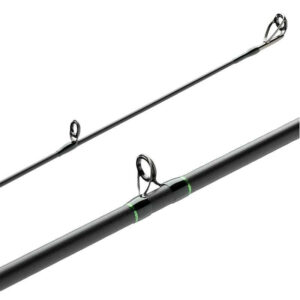
G. Loomis IMX-PRO Steelhead Rods
$445.00 -

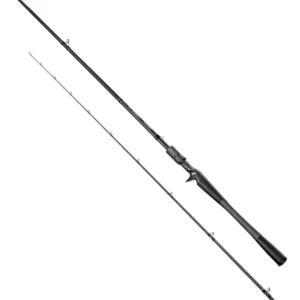
Hooked Beginner Carbon R1 One Piece Spinning & Casting Rod
$199.99 -
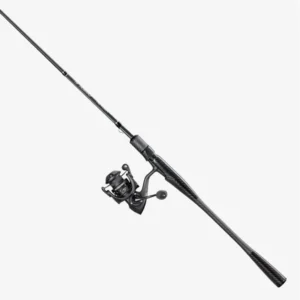
Hooked Beginner Carbon X and Carbon R1 Spinning Combo
$252.99 -
Hooked Beginner Carbon X II and Carbon R1 Spinning Combo
$284.99 -
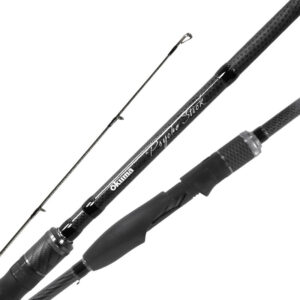
Okuma Psycho Stick Spinning Rods
$249.99 -
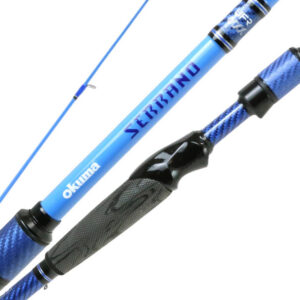
Okuma Serrano Spinning Rods
$154.99 -
Okuma X-Series Bass Spinning Rod
$320.99 -
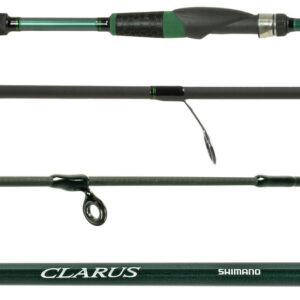
Shimano Clarus E Spinning Rods
$199.99 -
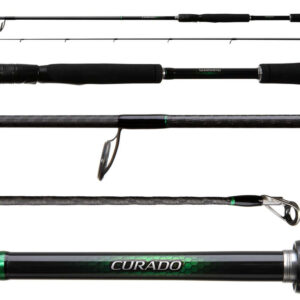
Shimano Curado Spinning Rods
$209.99