
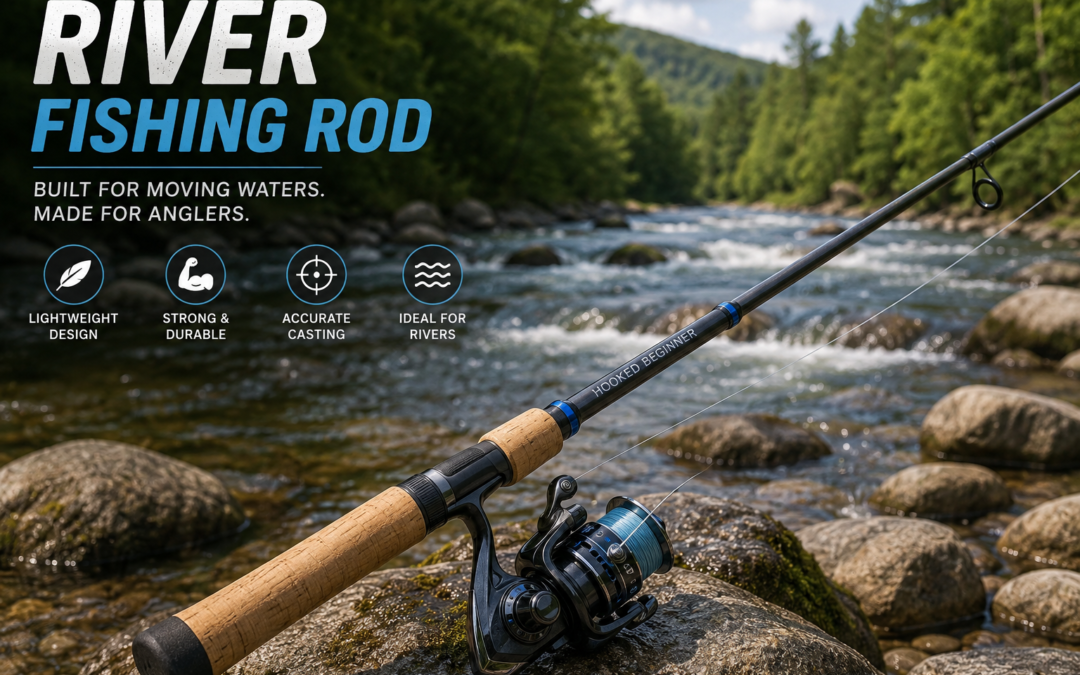
River fishing throws a lot at you at once — current pulling your line, structure to cast around, and fish that often demand quick, accurate presentations rather than long, lazy casts. A river fishing rod needs to handle all of that without feeling like a compromise, and picking the wrong one makes an already challenging environment even harder.
This guide covers what actually matters when choosing a river fishing rod as a beginner, from length to versatility.
Table of Contents
What Makes River Fishing Different
Unlike still water, a river fishing rod has to contend with constant current pulling on your line, which affects everything from lure presentation to how a fish fights once hooked. Casting accuracy also matters more on rivers, since you're often working tight pockets around rocks, fallen trees, or undercut banks rather than open water.
A good river fishing rod balances enough sensitivity to detect bites through current with enough backbone to control a fish that's using the current against you.
Length and Maneuverability
River fishing often happens in tighter quarters than lake or open-water fishing, which changes the ideal rod length:
- 5'6"–6'6" rods: easier to maneuver in tight, brushy river sections or when wading
- 6'6"–7' rods: a versatile middle ground, useful for both wading and fishing from a drift boat
- 7'+ rods: better suited to larger, more open rivers where casting distance matters more than tight maneuverability
For most beginners, a 6'6" medium-power river fishing rod covers the widest range of river conditions without feeling like the wrong tool in tighter spots.
Choosing the Right Power
River fishing rod power should match both your target species and how much current you're typically fighting. Medium power covers most general river species, while medium-heavy makes more sense in faster current or when targeting larger fish that can use the current to their advantage during a fight.
Why Versatility Matters on Rivers
Rivers often hold a mix of species in the same stretch of water — trout, bass, panfish, and more depending on region. A versatile river fishing rod that isn't overly specialized to one species or technique tends to serve beginners better than a highly specific setup, at least until you've identified which species and techniques you're drawn to most.
River-Ready Rod Picks
Several of our spinning rods are well-suited to general river fishing thanks to their versatile length and power range:
- Best all-around river setup: Carbon X R1 Spinning Combo
- Best for tighter, brushy stretches: Daiwa Kenzaki Spin Combo
- Best premium option for mixed species: St. Croix Premier 2025 Spinning Rod
For exact power, length, and line ratings, check each product page — specifications vary by size selected.
Pairing With Reel and Line
A river fishing rod pairs well with a lightweight spinning reel that offers a smooth drag, since sudden runs downstream can put unexpected strain on light tippet or line. Fluorocarbon line is popular for river fishing thanks to its low visibility in typically clearer river water. Browse our full fishing reels and fishing rods collections, or check our fishing rod buying guide for more on matching gear to your setup. For river-specific access points and regional regulations, Take Me Fishing is a reliable resource to check before heading out.
Frequently Asked Questions
What length river fishing rod is best for beginners?
6'6" medium power is a strong all-around starting point, versatile enough for both tighter brushy sections and more open river stretches.
Do I need a special rod for river fishing?
Not necessarily — a versatile medium-power spinning rod handles most general river fishing well, especially when targeting a mix of species in the same stretch of water.
How does current affect rod choice?
Faster current calls for slightly more backbone, since fish can use the current's pull against you during a fight, making an underpowered rod harder to control.
What line works best for river fishing?
Fluorocarbon is popular for its low visibility in clear river water, though many anglers pair a fluorocarbon leader with braided main line for added sensitivity and strength.