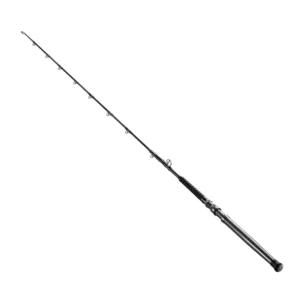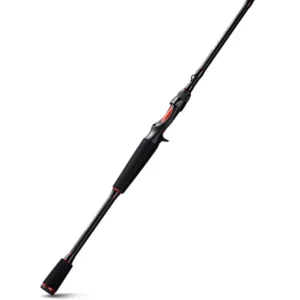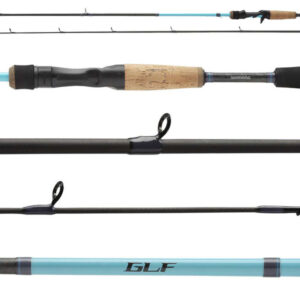
bait casting rod
What Is a Bait Casting Rod?
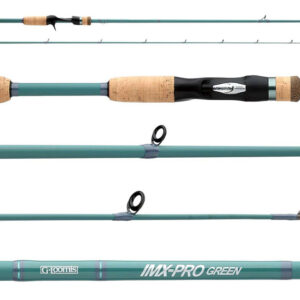
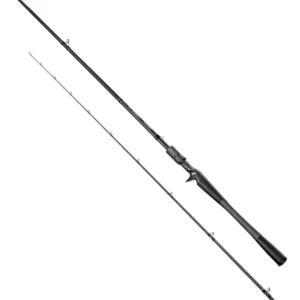
A bait casting rod is designed to hold a baitcasting reel above the blank. Most models use smaller line guides and a trigger-style reel seat that gives the angler a secure grip during casting and retrieval.
Unlike a spinning rod, a bait caster rod allows the line to travel directly from the rotating spool through the guides. This design provides precise lure placement and strong control when fishing with medium or heavy tackle.
Why Anglers Choose Casting Rods
- Accurate casting around cover
- Excellent control with heavier lures
- Strong hook-setting power
- Direct contact with the reel and line
- Suitable for braid and heavy leaders
- Available for specialised lure techniques
Types of Casting Rods
General-Purpose Casting Rods
A versatile casting fishing rod normally uses medium or medium-heavy power with a fast or moderate-fast action. This combination can handle several common bass and predator-fishing techniques.
Bass Casting Rods
Bass-focused casting rods are commonly used with jigs, Texas rigs, spinnerbaits, crankbaits, frogs and soft-plastic lures.
Heavy Predator Rods
A heavy bait casting rod provides the backbone needed for large swimbaits, jerkbaits, glide baits and other oversized predator lures.
Catfish Casting Rods
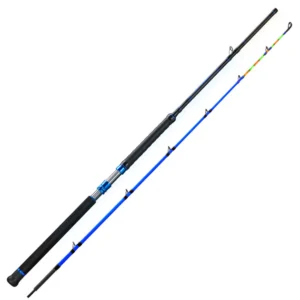
Catfish rods generally use strong blanks, durable guides and forgiving actions for casting bait and controlling powerful fish.
Travel Casting Rods
Travel models use multi-piece or telescopic construction, making them easier to transport inside vehicles, luggage and rod cases.
Choosing the Correct Casting Rod Power
Rod power describes how much pressure is needed to bend the blank. The correct bait casting rod power depends on lure weight, line strength, target species and surrounding cover.
- Medium: Crankbaits, light jigs and general bass fishing
- Medium-heavy: Spinnerbaits, Texas rigs and heavier cover
- Heavy: Frogs, swimbaits and large predator lures
- Extra-heavy: Oversized lures and powerful species
Always keep the lure within the weight range printed on the rod. Casting above the maximum rating can damage the blank and reduce accuracy.
Understanding Casting Rod Action
Rod action describes where the blank begins to bend under pressure.
Fast Action
A fast-action bait caster rod bends mainly near the tip. It provides sensitivity and quick hook-setting response for jigs, worms and other single-hook presentations.
Moderate-Fast Action
Moderate-fast action offers a balance of sensitivity, casting control and forgiveness. It works well for many all-purpose fishing applications.
Moderate Action
A moderate-action casting rod bends farther down the blank. This can help keep fish connected when using crankbaits and other treble-hooked lures.
Choosing the Right Rod Length
The length of a bait casting rod affects casting distance, lure accuracy, leverage and line control.
- 6–6.6 feet: Tight spaces and accurate short casts
- 6.6–7 feet: Versatile freshwater fishing
- 7–7.6 feet: Longer casts, jigs and heavy-cover techniques
- 7.6 feet and above: Swimbaits, flipping and large predator lures
Shorter rods are easier to control around docks and overhanging vegetation. Longer casting rods improve casting distance and provide more leverage during hook sets.
Choose a Casting Rod by Fishing Technique
Jigs and Soft Plastics
Choose a fast-action, medium-heavy bait casting rod for sensitivity and strong single-hook penetration.
Crankbaits
A moderate-action rod provides a more forgiving bend that helps prevent treble hooks from pulling free.
Frog Fishing
Heavy-power casting rods paired with braided line can help move fish away from thick grass and surface vegetation.
Swimbaits and Glide Baits
Large lures require a rod with a published casting range that comfortably includes the lure weight.
Spinnerbaits and Chatterbaits
A medium-heavy, moderate-fast casting fishing rod provides a useful combination of casting control and hook-setting power.
Casting Rods by Target Species
Bass
Medium and medium-heavy bait casting rod models are suitable for most bass techniques.
Pike and Musky
Large predator lures require heavy or extra-heavy rods, strong line and bite-resistant leaders.
Catfish
A durable cast rod with sufficient backbone can handle heavy sinkers, bait rigs and powerful fish.
Inshore Species
Saltwater-ready casting rods can target redfish, snook, striped bass and other coastal predators when paired with corrosion-resistant reels and components.
Match the Rod with the Correct Reel
A bait casting rod should be paired with a reel that balances the blank and holds enough line for the intended technique.
Check whether the reel is left- or right-hand retrieve, and compare its line capacity, drag strength and gear ratio with your fishing needs.
Lower gear ratios are useful for slower, high-resistance lures, while faster reels recover slack line quickly during jig and soft-plastic fishing.
How to Choose the Best Bait Casting Rod
The best rod is the one that matches your lure weight, target fish and fishing environment.
- Check rod length.
- Compare power and action.
- Confirm the lure-weight rating.
- Check the recommended line range.
- Choose one-piece or multi-piece construction.
- Inspect guide and reel-seat materials.
- Confirm freshwater or saltwater suitability.
- Match the rod with an appropriately sized reel.
Browse our casting reels, compare complete casting combos, or explore useful fishing accessories.
Bait Casting Rod vs Spinning Rod
A bait casting rod places the reel above the blank and usually includes a trigger grip. A spinning rod places the reel beneath the blank and uses larger lower guides.
Casting equipment generally offers better control with heavier lures, while spinning equipment is easier to use with light tackle. For a detailed comparison, create a separate guide targeting “spinning rod vs casting rod.”
Casting Rod Care and Maintenance
- Rinse the rod after saltwater use.
- Dry the blank and guides thoroughly.
- Inspect each guide for cracks.
- Check the reel seat and trigger grip.
- Examine multi-piece ferrules.
- Transport the rod in a protective sleeve.
- Avoid storing the blank under constant pressure.
Even a small crack in a guide insert can damage fishing line, so inspect the guides regularly with a soft cloth.
Frequently Asked Questions
What is a bait casting rod?
A bait casting rod is a fishing rod designed to hold a baitcasting reel above the blank.
Are bait caster rods suitable for beginners?
Yes, although the reel requires more spool-control practice than a spinning setup.
What rod power is best for bass fishing?
Medium and medium-heavy rods are versatile choices for many bass techniques.
Can casting rods use braided line?
Yes. Braided line is frequently used for heavy cover, frogs, swimbaits and powerful hook sets.
What action is best for crankbaits?
Moderate or moderate-fast action provides a forgiving bend that works well with treble hooks.
Can a bait casting rod be used in saltwater?
Yes, when the guides, reel seat and blank components are suitable for saltwater exposure.
Is a bait caster rod the same as a surf casting rod?
No. A standard bait caster rod is designed for lure fishing, while surf casting rods are longer and built for distance casting from beaches and shorelines.
Accuracy, Power and Control in One Rod
A quality bait casting rod provides the strength and control required for accurate lure fishing around cover.
Compare rod length, power, action and casting weight to find a setup suited to bass, pike, catfish or other target species.
Showing 1–9 of 17 results
-
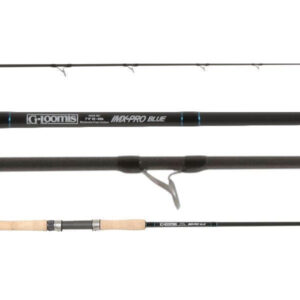
G. Loomis IMX-Pro Blue Saltwater Rods
$405.00 -

G. Loomis IMX-PRO Green Inshore Casting Rods
$400.00 -
Hooked Beginner Carbon R1 One-Piece Casting Rod
$199.99 -
Hooked Beginner LED LumiCat II Catfish Rods
$119.99 -
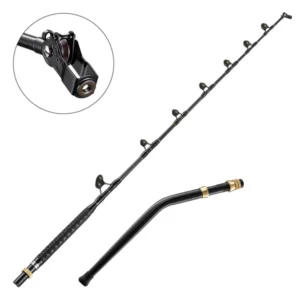
Piscifun Saltflow Bent‑Butt Offshore Saltwater Boat Rod
$229.99 -
PISCIFUN® LED LumiCat II Catfish Rods , 2 Piece Casting Rods
$124.99 -
Piscifun® Saltflow High-Tech Rods For Offshore Saltwater Fishing
$299.99 -
Piscifun® Torrent Casting Rod Two Pieces
$49.99 -
Shimano GLF B Inshore Casting Rods
$119.99