
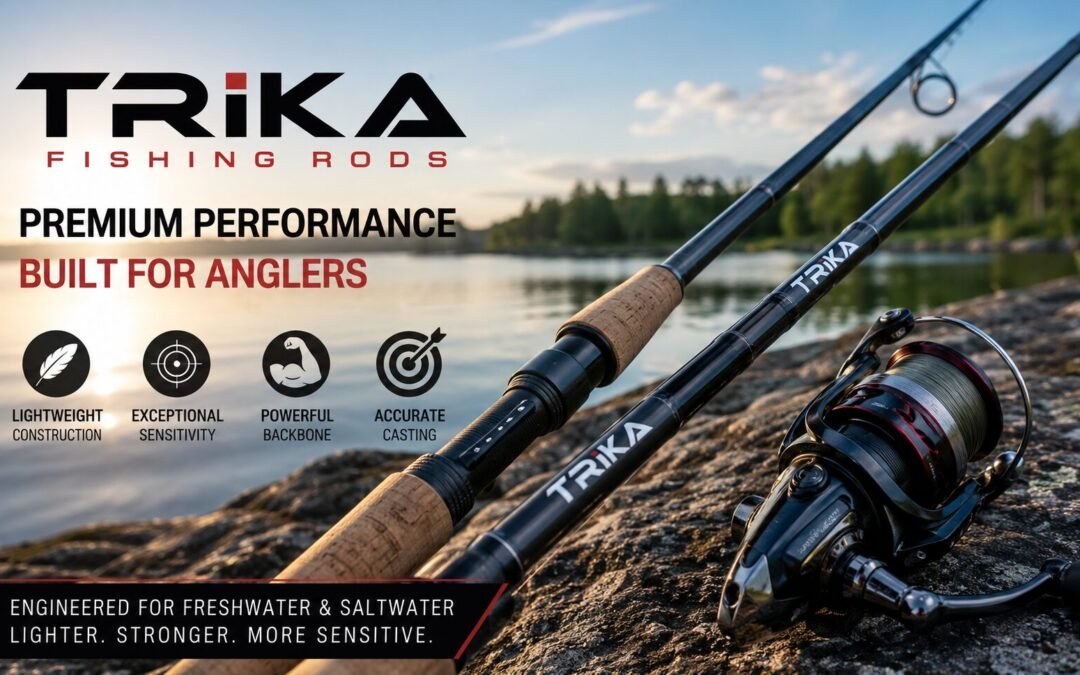
Trika Rods: Premium Performance for Serious Anglers
Trika Rods have quickly earned a reputation among anglers who demand lightweight construction, outstanding sensitivity, and exceptional casting performance. Designed with advanced materials and precision engineering, these premium fishing rods help anglers detect subtle bites, cast accurately, and fight fish with confidence.
Continue Learning
Choosing quality fishing equipment is only the first step toward becoming a more successful angler. Developing your casting technique, understanding fish behavior, selecting the right lures, and learning seasonal patterns will have an even greater impact on your success on the water.
At Hooked Beginner, our goal is to help anglers of every experience level make informed buying decisions while building the knowledge and confidence needed to enjoy every fishing trip. Explore our growing collection of buying guides, gear reviews, technique tutorials, and maintenance tips to improve your skills and get more from every outing.
Whether you fish from the bank, a kayak, or a boat, investing time in learning the fundamentals and caring for your equipment will pay dividends for years to come. Keep exploring, keep practicing, and most importantly, enjoy every moment spent on the water.
Whether you're targeting largemouth bass, smallmouth bass, walleye, trout, redfish, or other popular game fish, Trika Rods are built to deliver impressive strength without unnecessary weight. Their innovative blank technology and premium components make them an excellent choice for anglers seeking top-tier performance on the water.
This comprehensive guide explains everything you need to know about Trika Rods, including their features, construction, advantages, available models, buying considerations, and maintenance tips.
Table of Contents
- Why Choose Trika Rods?
- Key Features
- Advanced Blank Technology
- Popular Trika Rod Models
- Best Applications
- Buying Guide
- Maintenance Tips
- Frequently Asked Questions
Why Choose Trika Rods?
Trika Rods are engineered for anglers who value precision, sensitivity, and long-term durability. Every rod is designed to maximize casting efficiency while maintaining excellent balance throughout the fishing day.
Unlike many standard fishing rods, Trika Rods focus on reducing overall weight without sacrificing strength. This allows anglers to fish comfortably for extended periods while maintaining better lure control and faster hooksets.
Key Features of Trika Rods
- Lightweight graphite construction.
- Exceptional sensitivity for detecting light bites.
- Fast recovery blank technology.
- Excellent casting accuracy.
- Comfortable ergonomic handle design.
- Premium reel seats.
- High-quality rod guides.
- Balanced design to reduce fatigue.
These features make Trika Rods a favorite among anglers looking for professional-level performance without compromising comfort.
Advanced Blank Technology
The heart of every Trika Rod is its advanced graphite blank. Premium graphite provides an ideal combination of lightweight performance, strength, and sensitivity, allowing anglers to detect subtle strikes and react quickly.
The fast-recovery design minimizes unnecessary rod vibration after each cast, resulting in improved casting accuracy and greater lure control.
High-quality guide systems also reduce friction as fishing line moves through the guides, helping increase casting distance while improving overall efficiency.
Popular Trika Rod Models
Trika Spinning Rods
Trika Rods designed for spinning reels excel when fishing with finesse techniques, lightweight soft plastics, drop shots, shaky heads, and small crankbaits. They provide outstanding sensitivity and precise lure presentation.
Trika Casting Rods
Casting models are ideal for heavier lures, jigs, frogs, spinnerbaits, and flipping techniques. They offer additional backbone while maintaining excellent responsiveness.
Technique-Specific Models
Many Trika Rods are optimized for specific fishing applications, allowing anglers to select the perfect combination of length, power, and action for their preferred techniques.
Best Fish Species for Trika Rods
The versatility of Trika Rods makes them suitable for numerous freshwater and inshore saltwater species, including:
- Largemouth Bass
- Smallmouth Bass
- Trout
- Walleye
- Pike
- Crappie
- Redfish
- Speckled Trout
- Snook
Choosing the proper rod length, power, and action allows anglers to maximize the performance of Trika Rods across a wide range of fishing conditions.
How to Choose the Right Trika Rods
Selecting the right Trika Rods begins with understanding your preferred fishing techniques, target species, and fishing environment. Trika offers models designed to maximize casting performance, lure control, and sensitivity across a variety of applications.
1. Choose the Right Rod Length
The length of your Trika Rods directly affects casting distance, accuracy, and fish-fighting ability.
- 6'6" — Ideal for smaller waterways and accurate casts.
- 6'10"–7'0" — Excellent all-around performance.
- 7'1"–7'3" — Better casting distance and hook-setting power.
- 7'4"+ — Best for heavy cover and long-distance presentations.
2. Select the Proper Power
Trika Rods are available in several power ratings designed for different lure weights and target species.
- Light
- Medium Light
- Medium
- Medium Heavy
- Heavy
Medium power remains one of the most versatile options for anglers targeting multiple freshwater species.
3. Understand Rod Action
The action of Trika Rods determines where the rod bends under pressure.
- Fast Action – Quick hooksets and excellent sensitivity.
- Moderate Fast – Versatile for many lure types.
- Moderate Action – Better for moving baits and treble hooks.
Advantages of Trika Rods
- Extremely lightweight construction.
- Outstanding casting accuracy.
- Exceptional bite detection.
- Premium-quality components.
- Excellent balance for all-day fishing.
- Comfortable ergonomic grips.
- Durable graphite blanks.
- Versatile models for multiple techniques.
These advantages have helped Trika Rods become a popular choice among tournament anglers and recreational fishermen alike.
Freshwater Applications
Trika Rods perform exceptionally well when targeting freshwater species such as bass, trout, walleye, crappie, perch, bluegill, and northern pike. Their lightweight construction allows anglers to fish comfortably for hours while maintaining outstanding lure control.
Inshore Saltwater Applications
Many anglers also choose Trika Rods for inshore saltwater fishing. When paired with quality spinning or baitcasting reels, these rods perform well while targeting redfish, snook, speckled trout, flounder, and other coastal species.
Who Should Buy Trika Rods?
- Beginning anglers wanting premium equipment.
- Bass fishing enthusiasts.
- Tournament competitors.
- Multi-species anglers.
- Traveling fishermen.
- Anyone seeking lightweight, high-performance fishing rods.
Whether you're fishing from shore, a kayak, or a boat, Trika Rods provide the balance, sensitivity, and reliability needed for a successful day on the water.
Common Mistakes to Avoid
- Choosing a rod that's too heavy for finesse fishing.
- Ignoring the recommended lure weight.
- Selecting the wrong rod action.
- Poorly balancing the rod with the reel.
- Failing to clean the rod after saltwater use.
- Storing the rod without proper protection.
Avoiding these mistakes will help your Trika Rods perform consistently and last for many seasons.
How to Maintain Trika Rods
Proper maintenance helps Trika Rods continue performing at their highest level. Although these premium rods are built using durable, high-quality materials, regular care will maximize their lifespan and maintain their exceptional sensitivity and casting performance.
Rinse After Every Fishing Trip
Always rinse your Trika Rods with fresh water after each outing, especially after fishing in saltwater. Removing salt, sand, and dirt helps prevent corrosion and protects the guides and reel seat.
Inspect the Guides
Check each guide for cracks, chips, or rough spots. Damaged guides can quickly fray your fishing line and reduce casting performance.
Clean the Handle
Whether your Trika Rods feature cork or EVA grips, keeping the handle clean improves comfort and grip. Wash with mild soap and water, then allow it to dry completely before storage.
Store Your Rod Properly
Store Trika Rods in a rod rack or protective rod sleeve. Avoid placing heavy objects on top of the rod and never leave it exposed to extreme heat inside a vehicle for extended periods.
Transport Safely
When traveling, use padded rod tubes or rod sleeves to prevent accidental damage during transport.
Frequently Asked Questions
Are Trika Rods good for beginners?
Yes. Trika Rods are suitable for beginners who want premium-quality equipment that offers excellent sensitivity, lightweight construction, and long-term durability.
What species can I catch with Trika Rods?
Trika Rods are designed for a wide variety of freshwater and inshore saltwater species, including bass, trout, walleye, crappie, pike, redfish, snook, and speckled trout.
Do Trika Rods come in spinning and casting models?
Yes. Trika Rods are available in both spinning and casting configurations, allowing anglers to choose the best setup for their preferred fishing techniques.
Why are Trika Rods so sensitive?
The premium graphite blanks and lightweight construction used in Trika Rods allow vibrations to travel efficiently through the rod, helping anglers detect even the lightest bites.
Are Trika Rods worth the investment?
Many anglers appreciate Trika Rods for their lightweight design, excellent balance, premium components, and dependable performance. The right choice depends on your fishing style, budget, and preferred features.
Final Thoughts
Trika Rods combine lightweight construction, innovative blank technology, and premium components to deliver exceptional performance for anglers of every skill level. Whether you're finesse fishing for trout, targeting trophy bass, or chasing inshore saltwater species, these rods are built to provide outstanding casting accuracy, superior sensitivity, and reliable durability.
Choosing the right Trika Rods model based on your preferred techniques, target species, and fishing environment will help you get the most from every trip on the water. With proper care and maintenance, a quality Trika rod can remain a dependable part of your fishing arsenal for years to come.
Related Guides on Hooked Beginner
- Fishing Rod
- Best Fishing Rod
- Fishing Rod Brands
- Custom Fishing Rods
- Carbon Fiber Fishing Rods
- Bass Fishing Rods
- Spinning Fishing Rod
- Casting Rods
- Budget Friendly Fishing Rod
- Best Fishing Poles
Recommended External Resources
How to Maintain Trika Rods
Proper maintenance helps Trika Rods continue performing at their highest level. Although these premium rods are built using durable, high-quality materials, regular care will maximize their lifespan and maintain their exceptional sensitivity and casting performance.
Rinse After Every Fishing Trip
Always rinse your Trika Rods with fresh water after each outing, especially after fishing in saltwater. Removing salt, sand, and dirt helps prevent corrosion and protects the guides and reel seat.
Inspect the Guides
Check each guide for cracks, chips, or rough spots. Damaged guides can quickly fray your fishing line and reduce casting performance.
Clean the Handle
Whether your Trika Rods feature cork or EVA grips, keeping the handle clean improves comfort and grip. Wash with mild soap and water, then allow it to dry completely before storage.
Store Your Rod Properly
Store Trika Rods in a rod rack or protective rod sleeve. Avoid placing heavy objects on top of the rod and never leave it exposed to extreme heat inside a vehicle for extended periods.
Transport Safely
When traveling, use padded rod tubes or rod sleeves to prevent accidental damage during transport.
Frequently Asked Questions
Are Trika Rods good for beginners?
Yes. Trika Rods are suitable for beginners who want premium-quality equipment that offers excellent sensitivity, lightweight construction, and long-term durability.
What species can I catch with Trika Rods?
Trika Rods are designed for a wide variety of freshwater and inshore saltwater species, including bass, trout, walleye, crappie, pike, redfish, snook, and speckled trout.
Do Trika Rods come in spinning and casting models?
Yes. Trika Rods are available in both spinning and casting configurations, allowing anglers to choose the best setup for their preferred fishing techniques.
Why are Trika Rods so sensitive?
The premium graphite blanks and lightweight construction used in Trika Rods allow vibrations to travel efficiently through the rod, helping anglers detect even the lightest bites.
Are Trika Rods worth the investment?
Many anglers appreciate Trika Rods for their lightweight design, excellent balance, premium components, and dependable performance. The right choice depends on your fishing style, budget, and preferred features.
Final Thoughts
Trika Rods combine lightweight construction, innovative blank technology, and premium components to deliver exceptional performance for anglers of every skill level. Whether you're finesse fishing for trout, targeting trophy bass, or chasing inshore saltwater species, these rods are built to provide outstanding casting accuracy, superior sensitivity, and reliable durability.
Choosing the right Trika Rods model based on your preferred techniques, target species, and fishing environment will help you get the most from every trip on the water. With proper care and maintenance, a quality Trika rod can remain a dependable part of your fishing arsenal for years to come.
Related Guides on Hooked Beginner
- Fishing Rod
- Best Fishing Rod
- Fishing Rod Brands
- Custom Fishing Rods
- Carbon Fiber Fishing Rods
- Bass Fishing Rods
- Spinning Fishing Rod
- Casting Rods
- Budget Friendly Fishing Rod
- Best Fishing Poles
Recommended External Resources
Building Long-Term Confidence on the Water
Success in fishing rarely happens overnight. Every experienced angler began by learning the basics, making mistakes, and gradually improving with time on the water. Patience, observation, and consistency are often more valuable than expensive equipment. Every trip provides an opportunity to discover something new, whether it's understanding how weather influences fish activity, improving casting accuracy, or simply becoming more comfortable in different fishing environments.
One of the most rewarding aspects of fishing is that there is always something new to learn. Rivers, lakes, ponds, reservoirs, and coastal waters each present unique challenges that require anglers to adapt. Water clarity, temperature, current, wind direction, and seasonal changes all influence fish behavior. Learning to recognize these patterns can dramatically improve success while making every outing more enjoyable.
Preparation is another important factor that often separates productive trips from frustrating ones. Before leaving home, checking weather forecasts, water conditions, local fishing regulations, and sunrise or sunset times allows anglers to make informed decisions. Organizing tackle, inspecting equipment, and ensuring everything is ready before arriving at the water reduces unnecessary stress and maximizes fishing time.
Safety should always remain a priority regardless of experience level. Wearing a properly fitted life jacket while boating, staying hydrated during hot weather, protecting your skin from harmful UV exposure, and informing someone of your fishing plans are simple habits that can make a significant difference. Carrying a basic first aid kit, flashlight, and emergency supplies also helps prepare for unexpected situations.
Responsible anglers understand the importance of protecting natural resources for future generations. Following local regulations, respecting seasonal closures, and properly disposing of fishing line and trash help preserve waterways and wildlife habitats. Even small actions, such as picking up litter left by others or avoiding unnecessary disturbance of shoreline vegetation, contribute to healthier ecosystems that benefit everyone.
Learning different fishing techniques expands opportunities throughout the year. Instead of relying on a single method, experienced anglers experiment with multiple presentations depending on water conditions and fish activity. Some days require slow, methodical retrieves, while others reward aggressive presentations. Remaining flexible and willing to adapt often leads to better results than using the same approach every outing.
Seasonal changes also play a major role in planning successful trips. During spring, fish often move into shallow water to feed and spawn. Summer typically requires adjustments based on water temperature and oxygen levels. Fall frequently brings increased feeding activity as fish prepare for winter, while colder months often reward slower presentations in deeper water. Understanding these seasonal movements allows anglers to fish more effectively throughout the year.
Keeping a fishing journal can be an incredibly valuable learning tool. Recording details such as date, location, weather conditions, water temperature, successful lure selections, and fish activity helps identify patterns over time. Many experienced anglers rely on years of personal records rather than memory alone when planning future trips. Even simple notes can become valuable references after multiple seasons.
Conservation-minded fishing practices benefit both anglers and aquatic ecosystems. When practicing catch and release, handling fish carefully, minimizing air exposure, and using appropriate landing techniques improve survival rates. Wetting your hands before handling fish and supporting larger fish properly reduces unnecessary stress and injury. These practices help maintain healthy fisheries while allowing others to enjoy similar experiences.
Technology has become an increasingly useful tool for modern anglers. GPS mapping, digital navigation, weather forecasting applications, and sonar units provide valuable information that can improve efficiency and safety. However, technology should complement—not replace—the ability to read water conditions, observe wildlife activity, and develop practical fishing instincts through experience.
Fishing also provides valuable opportunities to disconnect from everyday responsibilities and reconnect with nature. Many anglers appreciate the peaceful environment, fresh air, and quiet moments long before the first fish is caught. Time spent outdoors often reduces stress, encourages mindfulness, and creates lasting memories with family and friends. For many people, the experience itself becomes just as rewarding as the catch.
Introducing children, friends, or first-time anglers to fishing helps ensure the tradition continues for future generations. Keeping early trips simple, choosing easy-to-access locations, celebrating small successes, and maintaining realistic expectations creates positive experiences that encourage lifelong participation. A supportive environment often leaves a stronger impression than catching the biggest fish.
Continuous learning remains one of the most enjoyable aspects of the sport. Reading educational articles, watching instructional videos, participating in local fishing clubs, attending outdoor events, and sharing experiences with other anglers all contribute to personal growth. Every season introduces new equipment, techniques, and discoveries that keep fishing exciting regardless of experience level.
As your knowledge grows, so does your ability to make confident decisions on the water. Recognizing productive structure, interpreting changing conditions, selecting appropriate presentations, and understanding fish behavior gradually become second nature through consistent practice. Success becomes less about luck and more about preparation, observation, and experience.
No matter where your fishing journey takes you, remember that every outing offers an opportunity to improve your skills, appreciate the outdoors, and create lasting memories. Focus on enjoying the process, respecting the environment, and continuing to learn from every experience. With patience, curiosity, and a willingness to adapt, every trip can become another step toward becoming a more knowledgeable and successful angler.